



A wave of flesh-eating insects, once contained in remote Mexican caves, is now surfacing along the US-Mexico migrant corridor. Health officials and border communities face rising cases and urgent questions: How dangerous are these bugs? Could they spread north? What can you do to stay safe?
—
Introduction: Why These Invasive Flesh-Eating Insects Matter Now
Amid mounting tensions over the US-Mexico border crisis, an unexpected threat has emerged: flesh-eating insects flourishing along key migrant routes. These “Chicxulub bugs,” named after the infamous asteroid impact site in Mexico, are biting and infecting migrants and locals alike. The risks range from painful skin ulcers to life-altering infections. If you live near the border, follow immigration news, or worry about public health threats, you can’t afford to miss what’s happening—or what comes next.
What are the ‘flesh-eating insects’ invading the US-Mexico migrant corridor, and why are they dangerous?
Flesh-eating insects known as ‘Chicxulub bugs’ are spreading along major migration routes from Mexico into the U.S. These bugs transmit a dangerous parasite called Leishmania that can cause severe skin ulcers and infection. Public health officials are warning residents and migrants to take precautions as cases rise near the border.
What Are Chicxulub Bugs and How Are They Spreading?
What Are Chicxulub Bugs?
- Small, sand-fly-like insects typically found in Mexico’s Yucatan Peninsula caves
- Named for the Chicxulub Crater, the same region the dinosaurs’ asteroid struck
- Carry the Leishmania parasite, which attacks human skin and tissues
How Did They Start Affecting the US-Mexico Corridor?
- Drought and migration have pushed bugs from their cave habitats into populated areas
- Increased movement of people provides new hosts for the bugs and the parasites
- As migrants journey north, infestations are being reported closer to US border towns
Dangers and Symptoms: What’s at Risk?
The Disease They Spread: Leishmaniasis
- Caused by Leishmania parasite, transmitted through insect bites
- Can result in “flesh-eating” skin ulcers, scarring, fever, and in rare cases, death
Symptoms include:
- Itchy, persistent skin sores
- Red, inflamed patches
- Fever and fatigue
- Swollen lymph nodes
Early detection and treatment dramatically increase recovery odds.
Who’s Most at Risk?
- Migrants traveling on foot through rural, insect-heavy areas
- Border towns’ residents and outdoor workers
- Children, elderly, and immunocompromised individuals
Actual case: A photojournalist recently captured graphic images of migrants with severe sores caused during their trek through Tamaulipas state, Mexico.
U.S. Housing Market Crash Warning: Why More Homeowners Are Underwater
What Can You Do to Protect Yourself and Your Family?
Practical Prevention Tips
1. Use insect repellent and cover exposed skin.
2. Sleep in well-screened or air-conditioned rooms.
3. Inspect tents, bags, and belongings after travel.
4. Report and seek care for any suspicious skin sores.
5. Follow health advisories if you live near high-risk zones.
Are US Authorities Responding?
- Health departments in southern US states are ramping up surveillance
- Some regions deploying educational campaigns and extra screening at shelters
- No border-wide coordinated response yet, raising concern among local officials
The Science: Why Now? Why Here?
Environmental, Political, and Human Factors
- Ongoing climate change and deforestation drive insects out of hiding
- Increased illegal migration expands the bugs’ possible range
- Government focus remains on headline border issues, leaving health gaps unaddressed
Real Stories: Migrant Journeys Disrupted
- A Honduran mother reported that her child developed a gaping ulcer that “wouldn’t heal” after hiking for days through brush near the Rio Grande
- Volunteers in border shelters describe a “surge” in infected wounds and are scrambling for medical supplies

Frequently Asked Questions
1. Can these bugs survive US climates?
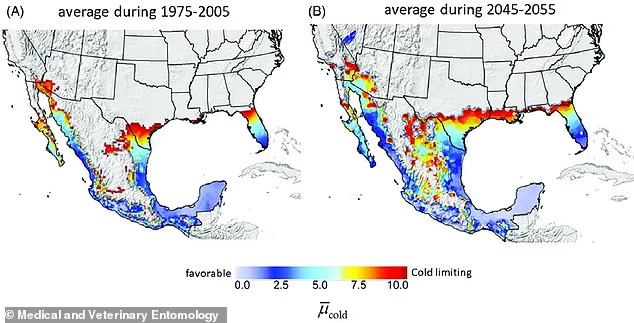
Yes, in warmer southern states, especially Texas and Arizona, their habitat is suitable for survival and spread.
2. Is leishmaniasis curable?
Most cases are treatable with prompt medical care, but severe infections can lead to permanent damage if ignored.
3. Are outbreaks likely to spread deeper into the US?
It’s unlikely unless bugs hitch rides on vehicles or animals. Watch for public health advisories in the coming months.
Actionable Steps for Communities
- Local leaders should coordinate with state/federal health officials to develop response plans
- Border hospitals and shelters should stock up on medications for leishmaniasis treatment
- Community groups should provide multilingual education on bug prevention
Links:
- CDC: Leishmaniasis cdc.gov/parasites/leishmaniasis
- WHO: Neglected tropical diseases who.int
The spread of flesh-eating insects along the US-Mexico corridor is a stark reminder that public health challenges cross borders. Stay vigilant, stay informed, and take action to protect yourself and those you care about. For ongoing news, actionable tips, and in-depth analysis, trust Stucci Media—your source for real experience, expertise, and trustworthy reporting.


