

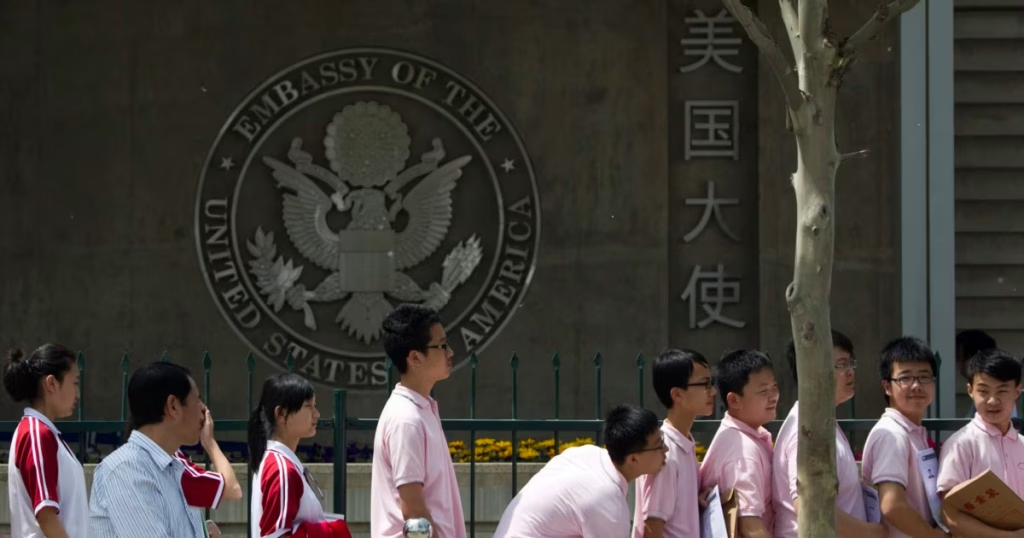
Chinese students walking on US university campus with uncertain expressions, representing the visa crisis affecting over 270,000 students
The Trump administration has announced a sweeping policy change that could revoke visas for thousands of Chinese students studying in the United States, sending shockwaves through the international education community and leaving over 270,000 Chinese students in limbo.

Breaking Down the New Policy
Secretary of State Marco Rubio announced this Wednesday that the administration will target Chinese students with two primary criteria:
- Connections to the Chinese Communist Party
- Enrollment in “critical fields” of study
While Rubio did not specify exactly what constitutes “critical fields,” experts point to strategically sensitive areas including:
Critical Fields Under Scrutiny
- Biotechnology
- Quantum computing
- Artificial intelligence
- Advanced engineering
- Cybersecurity
- Aerospace technology
The Human Impact: Students in Crisis
“I have no words really,” said UNF senior Riley Liboritz, expressing the speechlessness many feel about this dramatic policy shift. Her reaction echoes the sentiment of hundreds of thousands of Chinese students who now face an uncertain future.
By the Numbers
- 270,000+ Chinese students currently studying in the US
- Thousands potentially affected by visa revocations
- Indefinite suspension of new student visa scheduling at US embassies
Expert Perspectives: A Divided Response
Immigration Attorney’s Concerns
Maria Aguila, a Filipino immigration attorney and daughter of immigrants, warns of far-reaching consequences:
“We will no longer be able to attract the top talent in bringing the best and brightest to the United States. It’s very disheartening to see that we’re closing the door on people who do want to come here and make our country a better place.”
The Administrative Stance
President Trump defended the policy during a Thursday press briefing, stating:
“We want to know where those students come. Are they troublemakers? What countries do they come? And we’re not gonna—if somebody is coming from a certain country and they’re 100% fine, which I hope most of them are, but many of them won’t be.”

University Impact: Economic and Academic Consequences
The policy threatens to significantly impact American universities that have grown dependent on international student enrollment:
Financial Implications
- Chinese students contribute billions annually to the US economy
- Universities face potential enrollment drops
- Research programs may lose valuable contributors
Academic Excellence at Risk
International students, particularly from China, often:
- Contribute to cutting-edge research
- Enhance campus diversity
- Drive innovation in STEM fields
The Broader Context: US-China Relations
This visa policy represents the latest escalation in ongoing tensions between the world’s two largest economies. Areas of particular concern include:
Strategic Competition
- Technology transfer concerns
- National security considerations
- Economic competitiveness in emerging fields
Diplomatic Ramifications
The policy may strain:
- Educational partnerships
- Research collaborations
- Cultural exchange programs
Student Voices: Living in Limbo
According to immigration attorney Maria Aguila, the emotional toll on affected students is severe:
“I think it’s sad for students the way they feel. They don’t feel welcome here anymore, but yet, they love the United States and they really do want to stay. They wanna contribute, they wanna pay taxes. A good number of them really don’t wanna leave.”
What This Means for Different Stakeholders
For Current Chinese Students
- Immediate concern: Visa status uncertainty
- Academic planning: Difficulty completing degrees
- Career prospects: Limited future opportunities in the US
For Universities
- Enrollment challenges: Potential significant drops in international students
- Research impact: Loss of talented researchers
- Financial strain: Reduced tuition revenue
For the US Education System
- Global competitiveness: Risk of falling behind in attracting international talent
- Innovation potential: Possible brain drain to other countries
- Reputation damage: Perception as unwelcoming to international students
Enhanced Vetting Procedures
The administration is expanding social media vetting of visa applicants, adding another layer of scrutiny to an already complex process. This development suggests:
- Increased processing times for visa applications
- More extensive background checks for all applicants
- Potential for broader application beyond Chinese students
Historical Context: Immigration Policy Patterns
This policy continues a pattern of immigration restrictions that have characterized recent years:
Previous Measures
- Travel restrictions from various countries
- Increased scrutiny of work visas
- Enhanced border security measures
Precedent and Implications
The current policy may set precedents for:
- Further restrictions on international students
- Expanded vetting in other visa categories
- Potential retaliation from other countries
Looking Ahead: Potential Consequences
Short-term Effects (Next 6 months)
- Immediate visa revocations for targeted students
- University enrollment adjustments
- Increased legal challenges
Long-term Implications (1-3 years)
- Shift in global student mobility patterns
- Potential loss of US academic leadership
- Economic impact on university towns
What Students and Families Can Do
Immediate Actions
- Consult immigration attorneys for personalized advice
- Document academic progress and contributions
- Maintain clean legal status and records
- Consider backup educational plans in other countries
Long-term Planning
- Explore alternative degree programs in allied countries
- Build strong academic and professional networks
- Consider accelerated graduation timelines where possible
The Global Education Landscape Shift
This policy may accelerate existing trends in international education:
Alternative Destinations
Students may increasingly consider:
- Canada: With more welcoming immigration policies
- Australia: Strong university rankings and clearer pathways
- European Union: Growing English-language programs
- Singapore: Emerging as an Asian education hub
Conclusion: A Pivotal Moment
The Trump administration’s decision to potentially revoke thousands of Chinese student visas represents a pivotal moment in US immigration and education policy. While national security concerns drive these decisions, the long-term consequences for American academic excellence, economic competitiveness, and global reputation remain to be seen.
As universities, students, and policymakers navigate this challenging landscape, the fundamental question remains: Can the United States maintain its position as a global leader in higher education while implementing increasingly restrictive immigration policies?
The answer will shape not only the futures of hundreds of thousands of students but also America’s role in the global knowledge economy for years to come.
Stay informed about breaking immigration and education news that affects millions. Subscribe to Stucci Media for expert analysis and timely updates on policies that matter to students, families, and institutions worldwide.


